Risk Classification
Every action a system can take is classified by reversibility and stakes, so autonomy is granted deliberately, not by default.
Overview
The question that stops most AI projects is not whether the model can do the job, it's who is accountable if it gets something wrong. Governance is how we answer that question in advance, so autonomy is something leadership can approve with confidence, not something they discover the limits of after an incident.
We size guardrails to your actual risk, not to enterprise compliance theatre. Low-stakes, reversible decisions run autonomously. Anything touching money, customer commitments or irreversible actions gets a defined review point before it goes live. The result is a system that moves fast on the safe things and stops for a human on the ones that matter.
Where it fits
Each one can run on its own or as part of a wider engagement.
Live system
Your AI system
One your team trusts, understands and can extend
Structured handover
What it does, how it fails and who owns it
Team training
Live sessions on your real workflows
Playbooks + documentation
What to check and what to escalate
This service
Governance + guardrails
What it can act on alone and what needs a human
Ongoing monitoring + tuning
Drift and failures caught on a fixed schedule
Live support
A direct line back to the people who built it
Capabilities
Every action a system can take is classified by reversibility and stakes, so autonomy is granted deliberately, not by default.
Explicit review points built into the workflow itself for anything above the risk threshold, not a vague promise that a human is watching.
A clear map of what data any model or agent can see and touch, and what stays out of reach entirely, sized to what your business actually holds.
Defined thresholds for when a system flags uncertainty instead of guessing, and exactly who that flag goes to.
A record of what a system did and why, so any decision can be reviewed after the fact, which matters as much for trust as for compliance.
Guardrails revisited on a fixed schedule as the system proves itself, so oversight loosens or tightens based on evidence, not guesswork.
Use cases
The board or senior leadership will not approve an AI system without knowing exactly what it can and cannot do unattended. We give them that document.
The system touches something with real consequences if it gets it wrong. We define exactly where the human checkpoint sits.
A previous automation made a call it should not have, and trust in AI took a hit. We rebuild the guardrails so it does not happen twice.
A pilot ran fine under close watch. Moving it to daily production needs the same guardrails formalised so it stays safe unsupervised.
Case studies
Finance operations agent
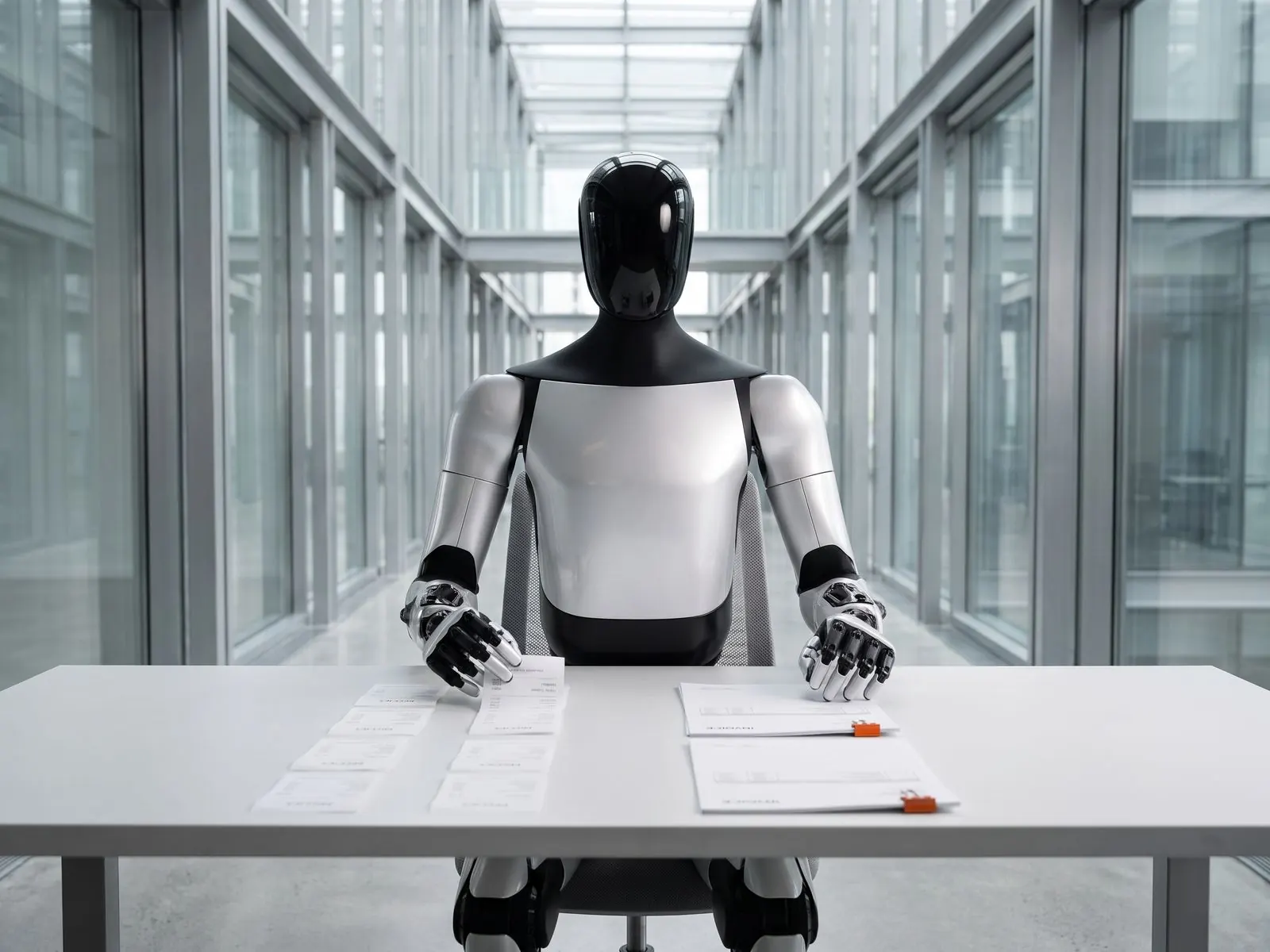
Reads live bank transactions and matches every credit against outstanding invoices automatically, real money and real ledgers. But it does not close every match itself: anything it cannot match with confidence is flagged for human review before it touches the books, the guardrail that makes full autonomy on the confident matches safe to approve.

CRM + follow-up operations
Cleans CRM records and drafts follow-up nudges for every lead due contact, but it never sends a message on its own. Every drafted nudge and every flagged dead opportunity waits for a human approval, the checkpoint that lets the agent run unattended on the CRM without risking a client relationship.
FAQ
No, and treating it that way is how smaller businesses end up either avoiding AI altogether or deploying it with no guardrails at all. We size governance to what your business actually needs to sleep at night, not to a framework built for a bank.
Only on the decisions that deserve it. Low-stakes, reversible actions still run instantly. Guardrails add a pause exactly where a mistake would be expensive, and nowhere else.
We propose it based on reversibility and stakes, then review it with whoever owns the risk in your business, usually the same person who would answer for it if something went wrong.
We can audit it, classify what it is currently doing unattended, and retrofit the review points that should have been there from the start, without needing to rebuild the system itself.
Start here
Start here
30 minutes, no pitch deck, no obligation. Tell us what's eating your team's time and we'll tell you straight whether AI is the answer, and roughly what it would take.