Scheduled Health Checks
Systems reviewed on a fixed cadence, not only when someone notices something looks wrong and raises it after the fact.

Overview
An AI system on launch day and the same system six months in are rarely the same thing. Your workflows shift, your data changes shape, edge cases turn up that nobody scoped for. A system left completely unattended drifts quietly until someone notices it has been wrong for weeks.
We build monitoring into every system we hand over: a fixed schedule for checking outputs against reality, a defined threshold for what counts as drift, and a tuning process for correcting it before it becomes a support ticket or, worse, a decision made on bad output. This is what keeps a system trustworthy long after the launch excitement wears off.
Where it fits
Each one can run on its own or as part of a wider engagement.
Live system
Your AI system
One your team trusts, understands and can extend
Structured handover
What it does, how it fails and who owns it
Team training
Live sessions on your real workflows
Playbooks + documentation
What to check and what to escalate
Governance + guardrails
What it can act on alone and what needs a human
This service
Ongoing monitoring + tuning
Drift and failures caught on a fixed schedule
Live support
A direct line back to the people who built it
Capabilities
Systems reviewed on a fixed cadence, not only when someone notices something looks wrong and raises it after the fact.
Regular spot checks of what the system is actually producing against what a human would expect, catching quiet quality drift early.
Defined thresholds that flag when a system starts behaving outside its normal range, so problems surface before your team does.
Adjustments to prompts, logic and configuration as your workflows evolve, keeping the system aligned with how the business actually runs now.
Plain-English reporting on what a system did, how well it performed, and where it is worth investing further, not a raw logs dump.
A standing check-in to reassess whether guardrails, scope and autonomy still match how much the system has proven itself.
Use cases
Output quality has quietly slipped since go-live and nobody has been checking. Monitoring catches the slide before it costs you.
New products, new processes, or new data mean the system's original tuning no longer fits. We adjust it to match reality.
The system runs, but no one internally is watching it closely. A scheduled monitoring cadence fills that gap without hiring for it.
You want to expand what a system is trusted to do unattended. Performance reporting gives you the evidence to make that call.
Case studies
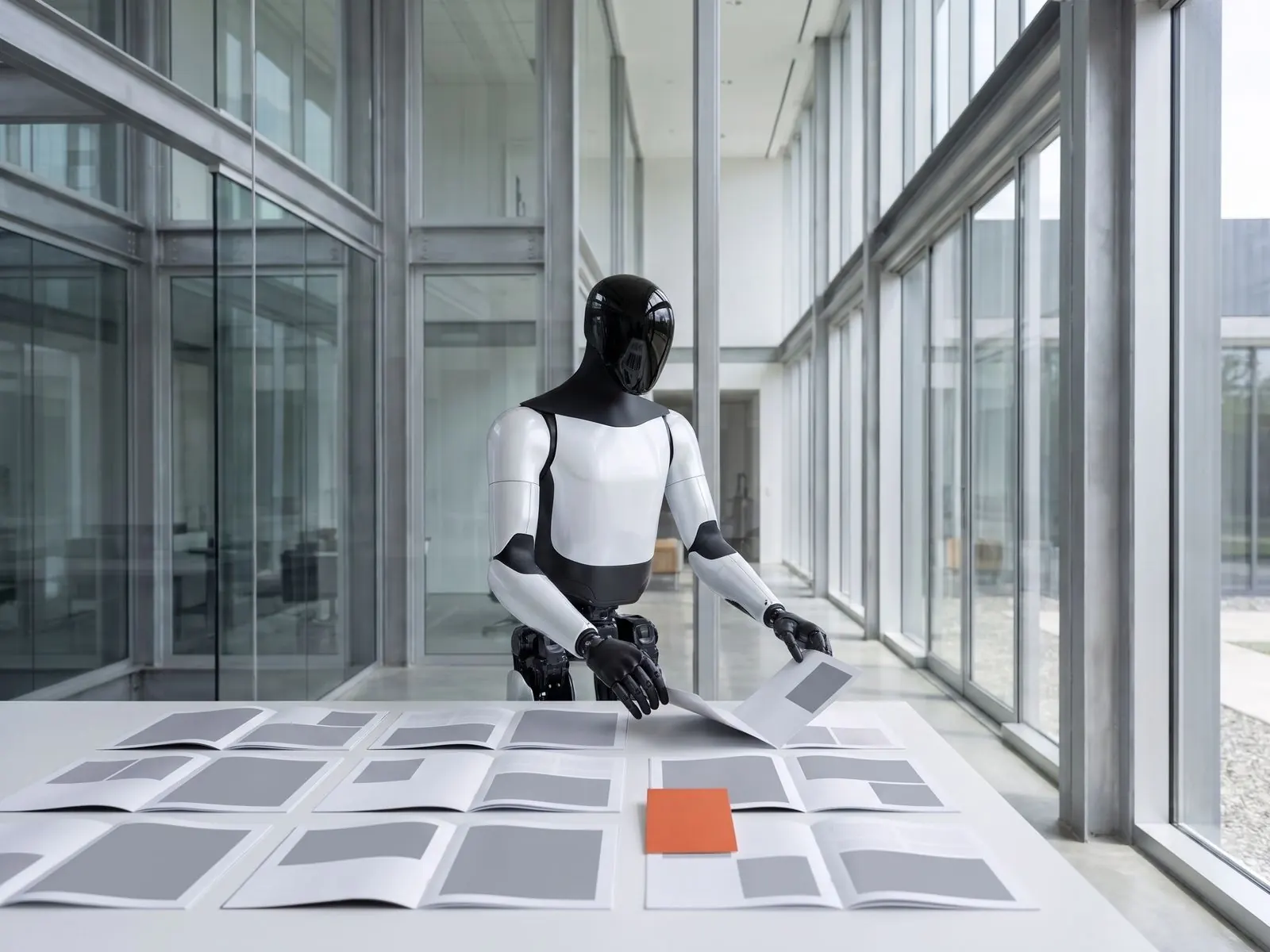
Autonomous publishing system
Researches trends, writes and edits an article, generates its imagery and publishes to two production sites, three mornings a week, unattended, to a fixed schedule. That reliability holds because the pipeline is checked on a set rhythm rather than assumed to be working, with output quality sampled before drift ever reaches a live page.

Consumer AI platform
A live valuation platform where a driver gets a structured AI-generated report on their car, from free report to paid unlock. Vehicle market data shifts constantly, so the report engine is reviewed and tuned on an ongoing basis to keep valuations accurate as real-world prices move.
FAQ
Because your business is not static. Data shapes shift, workflows change, new edge cases appear. A system tuned perfectly for launch day will drift from that fit over time even if nothing about the build itself was wrong.
We define quality thresholds and check against them on a fixed schedule, output sampling, failure rates, and usage patterns. Drift shows up as a trend against those thresholds well before it becomes visible to your team.
It overlaps but is not the same thing. Support fixes something broken. Monitoring and tuning catches a system that still technically works but has started producing worse results, which is a much easier problem to miss.
Yes, provided we can get a clear enough picture of what it is meant to do. We set the same baseline checks and thresholds around it as we would our own build.
Start here

Start here
30 minutes, no pitch deck, no obligation. Tell us what's eating your team's time and we'll tell you straight whether AI is the answer, and roughly what it would take.